
The Future of Medical Animation: Why the Industry Is Set to Explode Through 2032

The Future of Medical Animation: Why the Industry Is Set to Explode Through 2032
The medical animation industry is entering a new era of rapid expansion, and a recent forecast from ResearchAndMarkets.com highlights just how dramatic this growth is expected to be. According to their Medical Animation Global Forecast 2025–2032, the global market is projected to soar from $1.03 billion in 2025 to nearly $4.6 billion by 2032. That’s a staggering 23.82 percent CAGR, placing medical animation among the fastest-growing sectors in all of digital healthcare.
This isn’t just incremental growth. It represents a major shift in how healthcare organizations communicate science, educate clinicians and patients, and bring new medical technologies to life.
Let’s break down what’s driving this momentum — and what it means for the future of the field.
Why Medical Animation Is Booming
Medical animation has become essential to healthcare communication. Hospitals, universities, pharmaceutical companies, and device manufacturers all rely on high-fidelity visuals to simplify complex biology, illustrate surgical workflows, and demonstrate how new therapeutics work.
Several trends are converging to fuel this surge:
1. A New Standard for Visual Communication
Healthcare organizations increasingly favor animated content over static imagery or text. Detailed 2D and 3D animations help patients understand conditions and treatments, improve clinical training outcomes, and elevate marketing campaigns for life science companies.
2. The Digital Transformation of Healthcare
Telehealth, mobile learning, and online education platforms have exploded in adoption. As more healthcare interactions move online, the demand for visual, interactive content rises with it.
3. AI, VR, AR, and Cloud-Based Production Are Changing the Game
The forecast highlights how emerging technologies are reshaping the industry:
- AI speeds up production and enhances realism
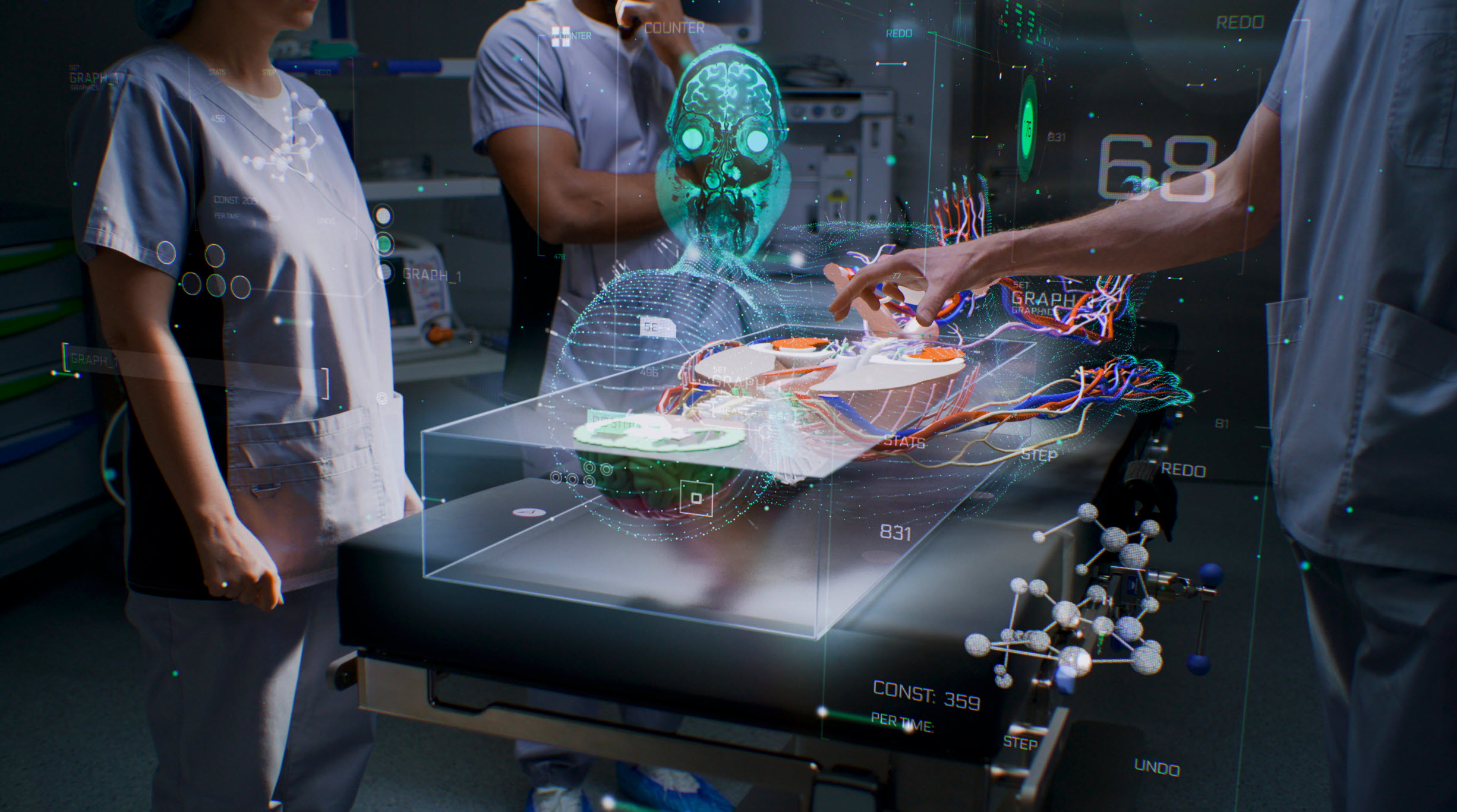
- VR/AR/MR introduces immersive medical training
- Cloud rendering improves workflow scalability and reduces production bottlenecks
This combination is enabling studios and healthcare organizations to produce more content, faster, and at higher quality.
4. Growing Need for Patient Education
Health literacy is a growing priority worldwide. Medical animation offers a proven way to enhance patient understanding — especially for complex diseases and new therapeutic categories like gene therapy, immuno-oncology, and minimally invasive surgery.
Where the Growth Is Happening: Market Segmentation
The report breaks the market into several key segments that help explain where opportunities are emerging.
By Animation Type
- 3D animation remains the gold standard for anatomical and surgical visualization
- 2D animation supports education and explainer content
- Whiteboard and stop-motion styles fill niches in marketing and communication
By Application
- Diagnostic visualization
- Product marketing for Pharma and medtech
- Clinical and surgical training
- Patient education
By End User
- Hospitals and clinics
- Universities
- Pharmaceutical and biotech companies
- Medical device manufacturers
- Even direct-to-patient platforms
What’s striking is how widely the demand is distributed. Medical animation is no longer just for pharma launches or academic lectures — it’s becoming embedded across the entire healthcare ecosystem.
Regional Growth Outlook
The forecast covers Americas, EMEA, and Asia-Pacific. While it doesn’t go deep into regional breakdowns, outside research consistently shows:
- North America currently leads the industry
- Asia-Pacific is the fastest-growing region due to expanding healthcare systems and digital adoption
As global healthcare invests in modernization, the opportunity for medical animation grows in lockstep.
Challenges and Barriers to Watch
No industry grows without friction, and the report highlights at least one major operational concern:
Rising Tariffs and Production Costs
Higher hardware and software costs — especially for specialized rendering tools — are pushing producers toward cloud-based workflows and more efficient pipelines.
Other challenges include:
- The high cost of creating premium content
- The need for scientific and clinical accuracy
- Intellectual property and regulatory compliance concerns
Yet despite these barriers, demand continues to surge.
How This Forecast Compares to Other Market Reports
This is one of the most optimistic forecasts on record for medical animation. Other major research firms typically project growth in the 19–21 percent range. The 23.82 percent CAGR sets a more aggressive tone, reflecting expectations of accelerating adoption driven by AI and immersive technologies.
Regardless of which projection ultimately proves correct, all signs point to the same conclusion:
Medical animation is entering a period of sustained, high-velocity growth.
What This Means for the Industry
If you work in healthcare communications, digital learning, medical device marketing, surgical training, or biotech storytelling, the implications are clear:
1. High-quality visual content is no longer optional — it’s expected.
Clinicians, patients, investors, and regulators alike now look for clear, visual explanations.
2. Studios and creators that embrace AI, VR, AR, and cloud workflows will have a competitive edge.
3. Opportunities are expanding globally.
Startups and established studios alike will find new markets opening across Asia, Europe, and the Americas.
4. Medical animation is becoming a core pillar of digital health.
From patient apps to surgical simulation labs, animated and interactive visuals are becoming foundational.
Final Thoughts
The Medical Animation Global Forecast 2025–2032 paints a vivid picture of what lies ahead: an industry that will more than quadruple over the next decade, powered by innovation, digital transformation, and the universal need to make medicine more understandable.
If this trajectory holds, medical animation won’t just continue supporting healthcare communication — it will reshape how the world learns about the human body, disease, and healing.
The Future of Medical Animation: Why the Industry Is Set to Explode Through 2032


A New Era for AI Creativity

VR Headset High Resolution 4K Pimax Crystal Super Shows Impressive Progress with Slimmer Exterior

The Future of Medical Animation: Why the Industry Is Set to Explode Through 2032
A New Era for AI Creativity
VR Headset High Resolution 4K Pimax Crystal Super Shows Impressive Progress with Slimmer Exterior
The Future of Medical Animation: Why the Industry Is Set to Explode Through 2032
A New Era for AI Creativity
VR Headset High Resolution 4K Pimax Crystal Super Shows Impressive Progress with Slimmer Exterior
Get the Latest Medical Animation & Marketing Technology Updates
Get the latest news from reliable sources coming directly from medial marketing and 2D and 3D animation industries.